Why You Feel Emotional (Not Relaxed) After Your First Sound Bath
Quick Answer: Sound baths often trigger emotional release before relaxation because the deep stillness removes your usual distractions, letting stored tension and unprocessed feelings surface for the first time in a while. This is a common, normal response — not a sign anything went wrong.
You lay down expecting an hour of pleasant vibration and maybe a nap. Instead, unexpected tears show up around minute 20, seemingly from nowhere. That’s actually one of the most commonly reported first-time reactions.

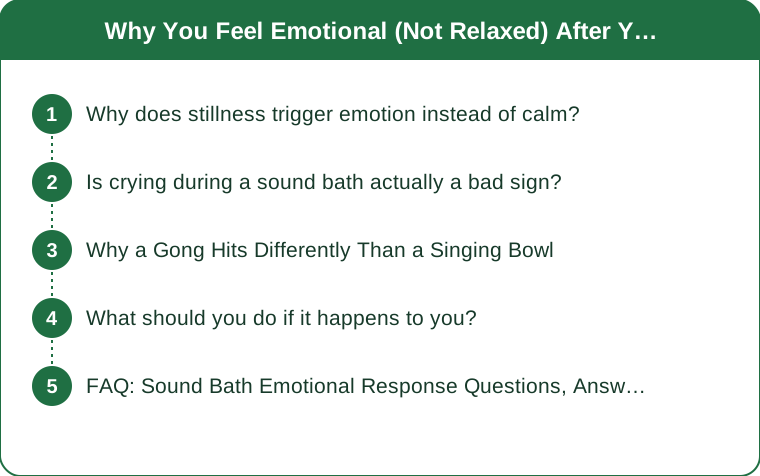
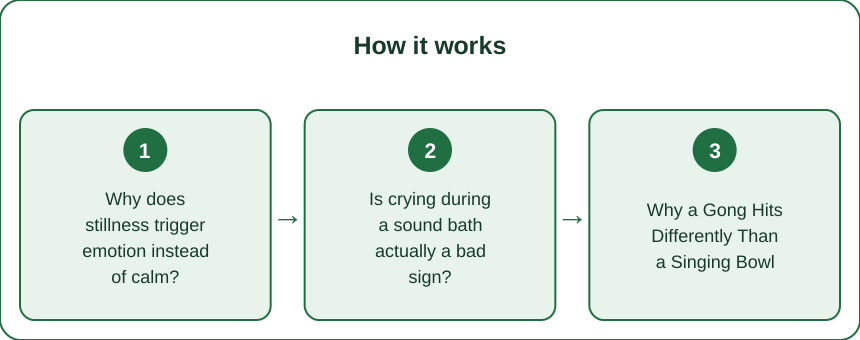
Why does stillness trigger emotion instead of calm?
Daily life keeps most people in constant low-grade distraction — phones, tasks, conversation. A sound bath removes nearly all of that at once, and in the resulting quiet, your nervous system finally has bandwidth to process backlogged stress and emotion that’s been running in the background.
This isn’t unique to sound baths — the same thing happens in float tanks and long meditation retreats. Removing external stimulation doesn’t create calm immediately; it often surfaces what was being suppressed by the noise first.
Is crying during a sound bath actually a bad sign?
No — practitioners generally consider it a sign the session is working, not failing. Emotional release is the body discharging tension it’s been holding, sometimes for weeks or months, through crying, shaking, or a wave of sadness that passes without an obvious cause.
The pattern to watch for is what comes after: most people report feeling noticeably lighter once the emotion passes, even if the ten minutes during it felt uncomfortable.

Why a Gong Hits Differently Than a Singing Bowl
Different instruments trigger different responses, and this explains why your reaction can vary session to session. Lower, sustained tones (gongs, large bowls) resonate more in the chest and abdomen, areas where people commonly hold emotional tension — which is why gong baths report emotional release more often than crystal bowl sessions.
Higher, brighter tones tend to affect alertness and mental clarity more than emotional depth. If you want a gentler first experience, ask about the instrument mix before booking — a bowls-only session is typically a softer entry point than a full gong bath.
What should you do if it happens to you?
Let it happen rather than fighting it. Sitting up, opening your eyes, or trying to ‘compose yourself’ mid-session usually interrupts the release before it completes, which can leave you feeling more unsettled afterward, not less.
Afterward, give yourself buffer time — don’t schedule a sound bath right before something demanding. A quiet 15-20 minutes to sit with whatever came up, journal a line or two, or just drink water and decompress makes a noticeable difference in how you feel leaving.
FAQ: Sound Bath Emotional Response Questions, Answered
Does everyone cry during their first sound bath?
No — reactions vary widely from mild relaxation to strong emotion to falling asleep entirely. Emotional release is common but far from universal.
Should I tell the practitioner if I start crying?
Most practitioners are used to this and won’t interrupt the session, but a quiet nod or hand gesture afterward lets them know you’re okay if you want the reassurance.
Will future sound baths feel less emotional once the first release happens?
Often, yes — many people report their second or third session feeling more purely relaxing, since some of the backlog has already been released.
TL;DR:
- Stillness surfaces stored tension before it produces calm — this is normal, not a malfunction
- Crying or emotion during a session is generally a sign of release, not failure
- Lower, sustained tones (gongs) trigger emotional response more often than bright bowls
- Let it happen rather than composing yourself mid-session, and build in decompression time after
The emotion usually clears the path to the calm you came for — it just doesn’t always arrive first.
Keep Reading
This article is for general informational purposes only and is not medical advice. Always consult a qualified health professional for guidance specific to you.