7 Things to Know Before Your First Sound Bath (So You Don't Feel Lost)
Quick Answer: Bring layers and a mat or cushion, expect to lie down for 45-75 minutes, and know that reactions range widely — deep relaxation, mild boredom, unexpected emotion, or falling asleep are all completely normal outcomes.
Walking into your first sound bath with zero idea what happens can make the whole thing feel more intimidating than it needs to be. Here’s the practical rundown, question by question.

1. What actually happens during a sound bath?
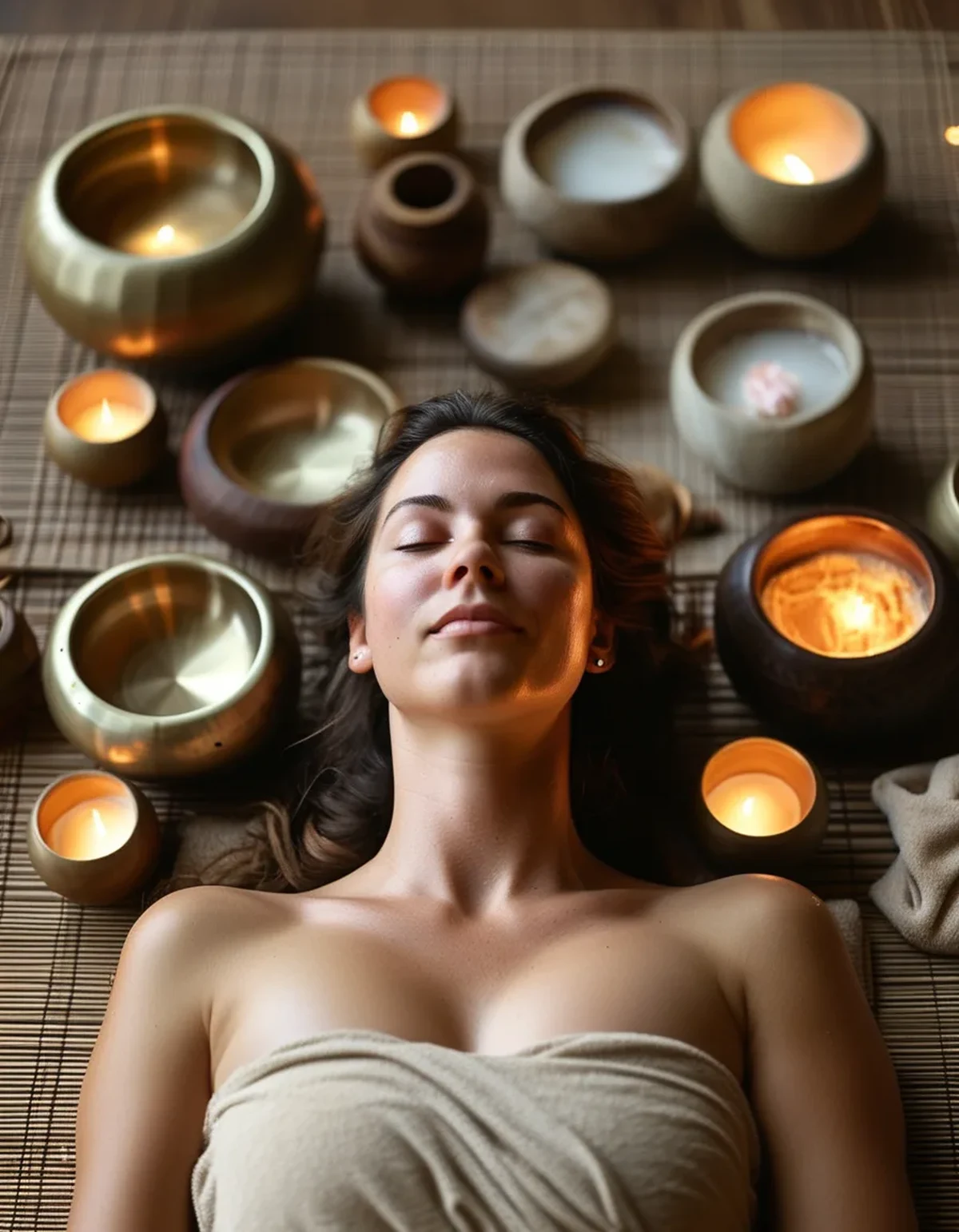
You lie down (occasionally sit) while a practitioner plays singing bowls, gongs, chimes, or other resonant instruments for roughly 45-75 minutes. There’s no active participation required — no chanting, no specific breathing pattern to follow — just lying still and listening, which is exactly why it feels unfamiliar to people used to more active wellness practices.
2. What should you bring, and do you need any experience first?
A mat or cushion if the venue doesn’t provide one, and layers — body temperature drops noticeably while lying still for over 45 minutes, even in a warm room. A light blanket or scarf solves most first-timers’ biggest physical complaint, which is simply getting cold halfway through.
Do I need any meditation experience before trying one?
No — sound baths require no prior meditation, breathing, or yoga experience. The instruments do the work; your only task is lying still and listening, which makes it one of the more accessible entry points into contemplative practice for people who find seated silent meditation difficult.
3. Why do reactions to a sound bath vary so much from person to person?
Crying, feeling nothing at all, deep calm, or mild boredom are all completely normal, and neither means you’re doing it ‘right’ or ‘wrong.’ Sound and stillness can surface stored emotion for some people, especially the first time the nervous system fully downshifts in weeks; others simply feel calm, sleepy, or notice very little.
Is it normal to fall asleep during a sound bath?
Very normal, and not considered a failure by most practitioners — sound baths are held in the same theta/delta brainwave territory as deep relaxation, and drifting off is a common, even expected, response, not a sign you wasted the experience.
4. What if you feel restless, and what’s actually happening in your body?
A busy, restless mind during a first session doesn’t disqualify the experience — it’s common, and many people report a noticeably calmer experience by their second or third visit as their nervous system gets more familiar with the format.
What happens physically to your body during a sound bath?
Sound vibration is felt as well as heard, especially from gongs and larger bowls placed near the body — some describe a gentle physical resonance rather than just an auditory experience. Heart rate and breathing commonly slow over the course of a session, though individual response varies.
Myth vs Fact: Sound Bath Edition
Myth: Sound baths are a form of live music performance you’re meant to actively listen to and appreciate. Fact: The intent is closer to background immersion for deep rest than an active-listening concert experience — trying to analyze or appreciate the music like a performance often works against the relaxation the format is designed for.
Myth: You need to sit up and meditate, not lie down, for it to ‘count.’ Fact: Lying down is the standard, expected posture — it supports the level of physical relaxation sound baths are built around.
FAQ: Sound Bath Questions, Answered
How long does a typical sound bath last?
Most run 45-75 minutes, though some studio classes compress it to 30 minutes and immersive retreat versions can run 90+.
What should I wear to a sound bath?
Comfortable, layerable clothing — you’ll be lying still for a long stretch, and rooms often start warm and cool down, or vice versa, as the session progresses.
Can a sound bath actually help with anxiety or sleep issues?
Many attendees report reduced stress and better sleep afterward, consistent with general relaxation-response benefits, though it’s not a clinical treatment. This is general information, not medical advice.
TL;DR:
- Bring layers and a mat; sessions run 45-75 minutes lying down
- Crying, feeling nothing, and falling asleep are all completely normal reactions
- No meditation experience needed — the instruments do the work
- A restless first session doesn’t predict future sessions
There’s no wrong way to experience a sound bath — whatever comes up for you is a valid response, not a grading system.
Keep Reading
This article is for general informational purposes only and is not medical advice. Always consult a qualified health professional for guidance specific to you.