7 Things That Determine Whether a Sound Bath Actually Relaxes You (or Just Feels Like Noise)
Quick Answer: Whether a sound bath relaxes you depends less on the instruments used and more on your body position, how recently you’ve eaten, your baseline stress level walking in, room temperature, and whether you’re lying down versus sitting — these practical factors often matter more to the outcome than which specific gongs or bowls the practitioner plays.
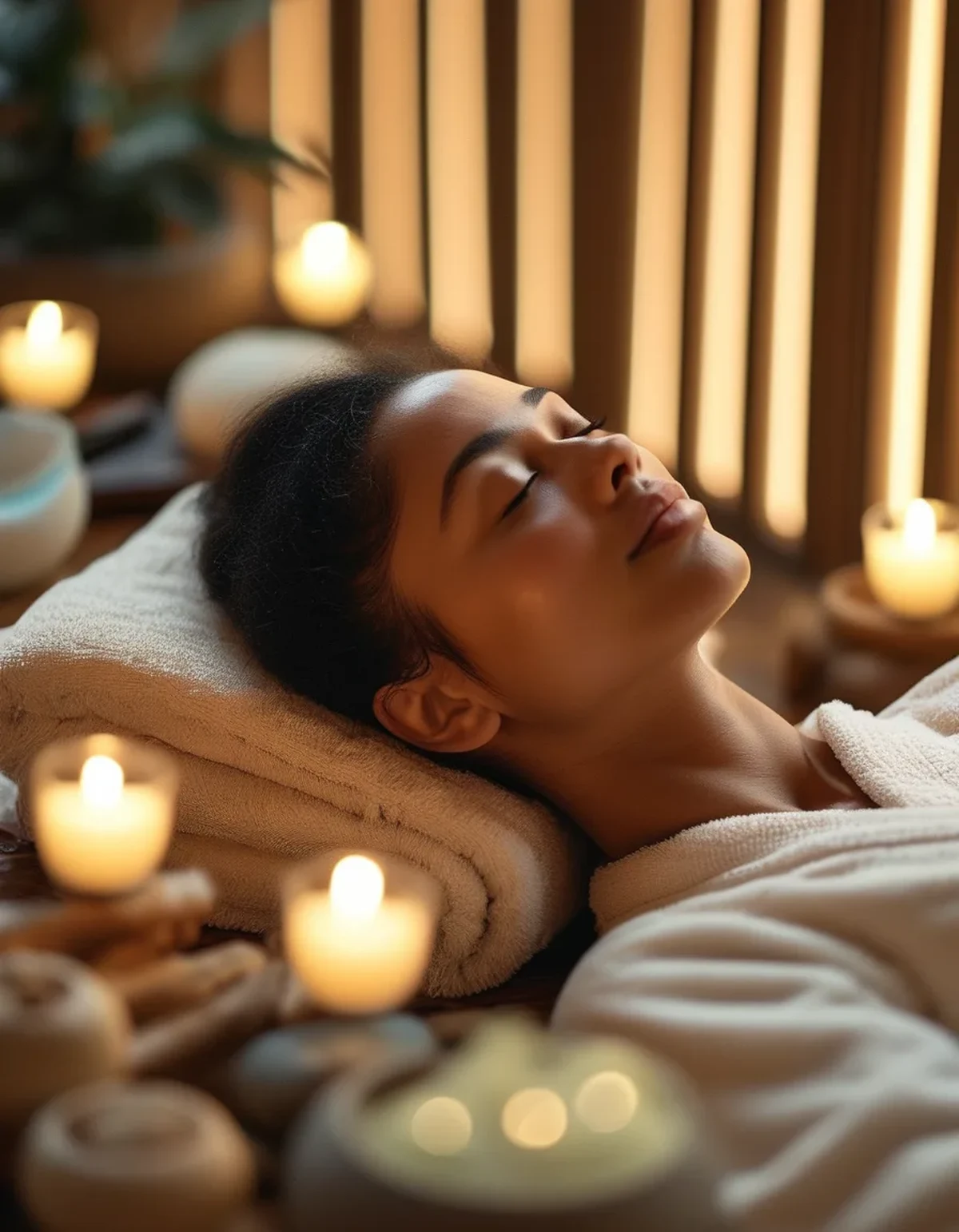
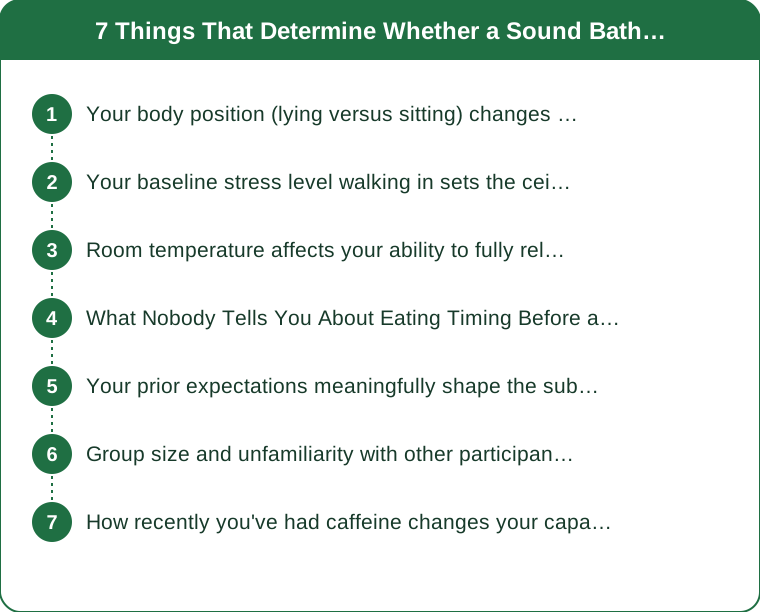
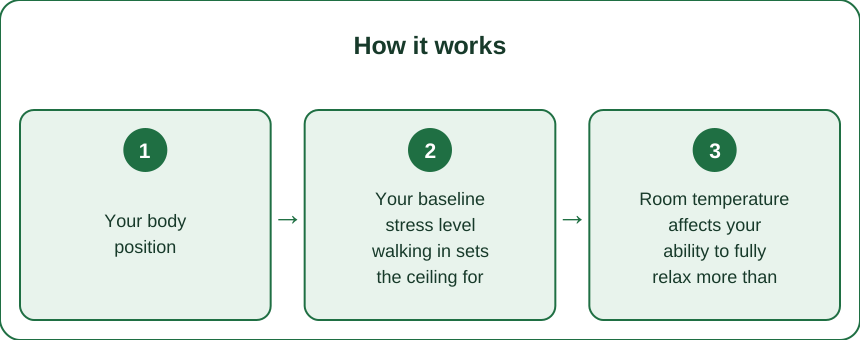
Your body position (lying versus sitting) changes the experience significantly
Lying flat allows your nervous system to shift into a more parasympathetic, rest-oriented state more easily than sitting upright, which requires ongoing postural muscle engagement even when relaxed — this single factor is one of the most consistent predictors of how deeply people report relaxing during a session, independent of the instruments themselves.
Your baseline stress level walking in sets the ceiling for how much shift is possible
Someone arriving already in a highly activated stress state may need more time within a session before shifting into a relaxed response than someone who arrives already moderately calm — this doesn’t mean sound baths don’t work for highly stressed people, but it does mean the same session length and format can produce very different subjective outcomes depending on where a person starts.
Room temperature affects your ability to fully relax more than people expect
A room that’s too cold prevents full muscular relaxation since some tension is retained for warmth regulation, while a comfortably warm room supports deeper release — this is a simple, controllable environmental factor that’s easy to overlook when evaluating why one session felt more relaxing than another.
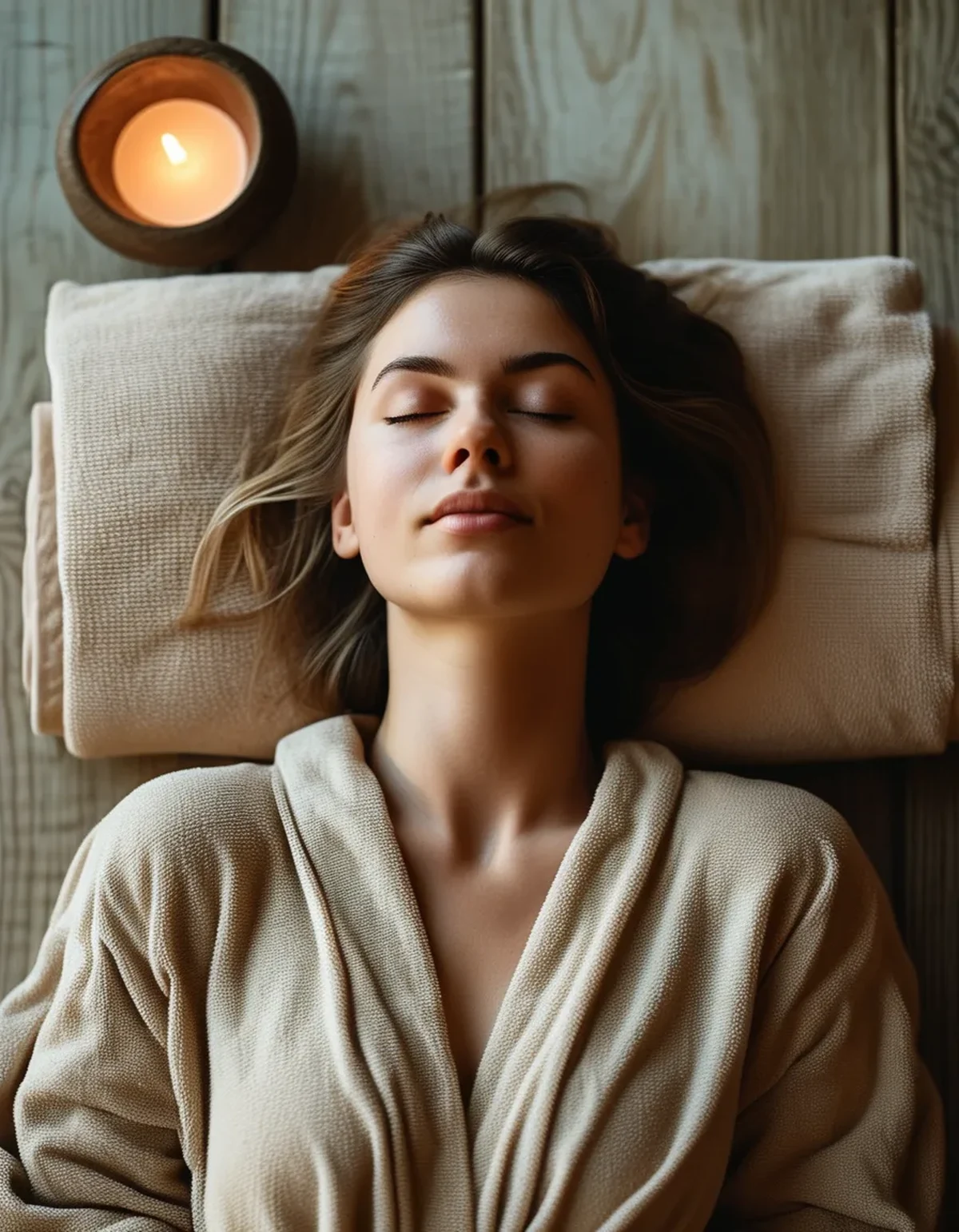
What Nobody Tells You About Eating Timing Before a Session
A very full stomach can create physical discomfort that competes with relaxation, while being noticeably hungry can create a low-level alertness that also works against a deep relaxed state — eating a light meal an hour or two before a session, rather than either extreme, tends to support a more complete relaxation response.
Your prior expectations meaningfully shape the subjective experience
Expectation effects are well-documented across many relaxation and mind-body practices, and sound baths are no exception — someone expecting a profound experience based on strong prior recommendations may either have that expectation fulfilled or feel let down by comparison, while someone with no strong expectation may rate the exact same session more neutrally, showing how much subjective framing shapes the felt outcome.
Group size and unfamiliarity with other participants can add subtle tension
A larger, unfamiliar group setting can introduce mild self-consciousness that works against full relaxation, particularly for people new to group sound sessions, compared to a smaller or more familiar group where social ease is already established — this is a real, if often unacknowledged, factor in why the same person might relax more fully in one group setting than another.
How recently you’ve had caffeine changes your capacity to relax, plus FAQ: What Makes a Sound Bath Actually Work
Caffeine’s stimulant effect can last several hours and directly works against the parasympathetic shift a sound bath is trying to support, meaning a session attended shortly after a coffee is working against a real physiological headwind that has nothing to do with the instruments or the practitioner’s skill.
Does it matter if someone falls asleep during a sound bath instead of staying consciously relaxed?
No — falling asleep is generally considered a sign of successful deep relaxation, not a failure to properly experience the session, and many practitioners consider it a good outcome.
Can these same factors be controlled for at home without a practitioner-led session?
Yes — using recorded sound bath audio at home while controlling body position, room temperature, and eating/caffeine timing can replicate many of these same conditions reasonably well.
Does session length matter as much as these environmental and physiological factors?
Session length matters less than these other factors for most people — a well-set-up 20-minute session with good conditions often outperforms a poorly set up 60-minute one.
TL;DR:
- Lying flat, not sitting, is one of the strongest predictors of a deep relaxation response
- Baseline stress level, room temperature, and recent eating and caffeine timing all shape the outcome
- Expectations and group comfort level meaningfully influence the subjective experience too
- The instruments matter less than these practical, controllable conditions around the session
A disappointing sound bath is often more about these surrounding conditions than about the specific gongs or bowls being played.
Keep Reading
This article is for general informational purposes only and is not medical advice. Always consult a qualified health professional for guidance specific to you.